Speaker Series
Events
-
-
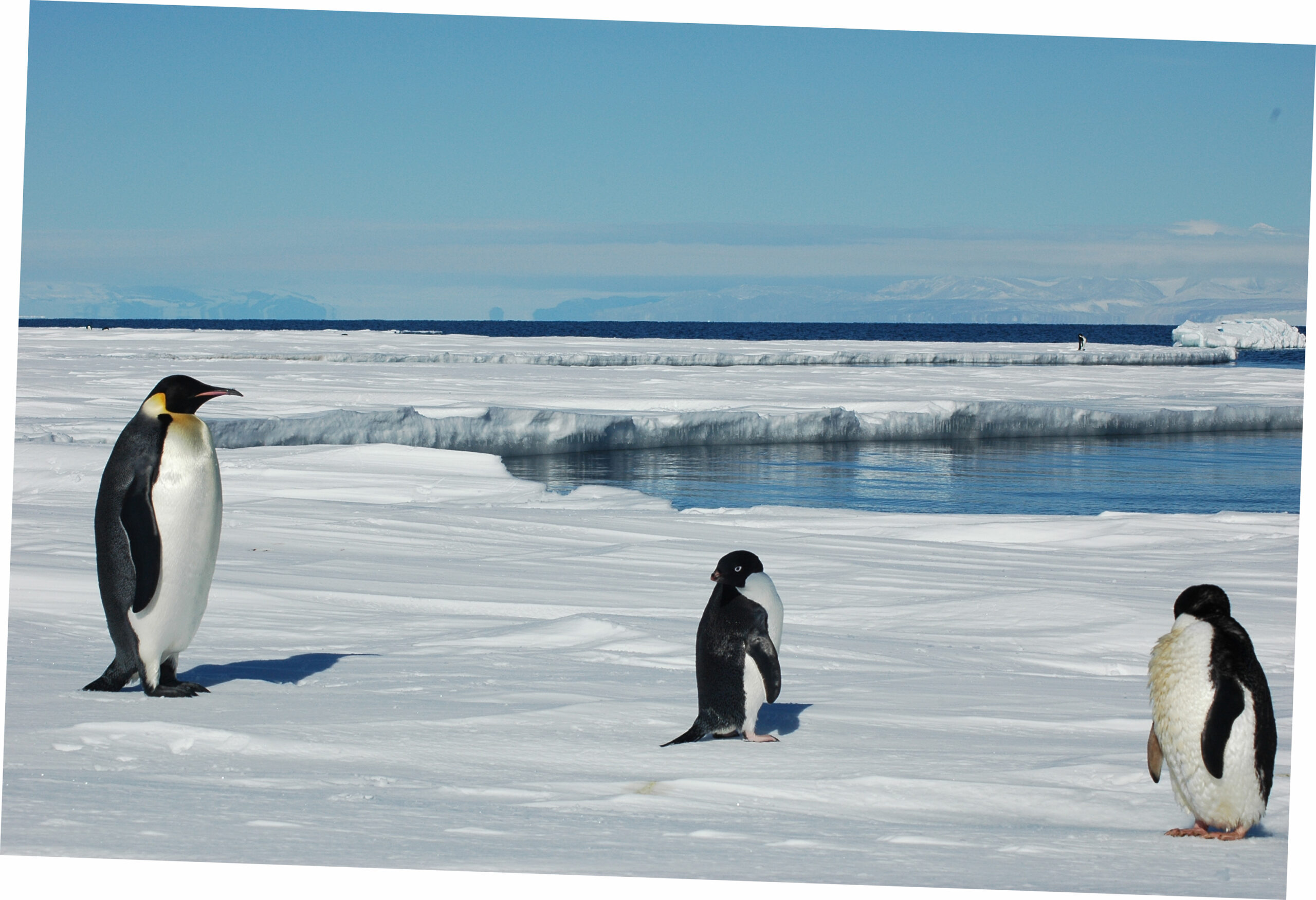
The Aquatic World of Penguins – Biology of Fish-Birds
Centuries ago, when penguins were first encountered by European explorers, they were not thought to be birds but rather a fish-like relative. Subsequent accumulation of knowledge has shown penguins to be an avian species with unrivaled aquatic attributes owing to a number of evolutionary adaptations. David Ainley will introduce us to the incredible aquatic nature of these creatures, highlighting the foraging ecology and marine lives of penguins.
READ MORE -
-
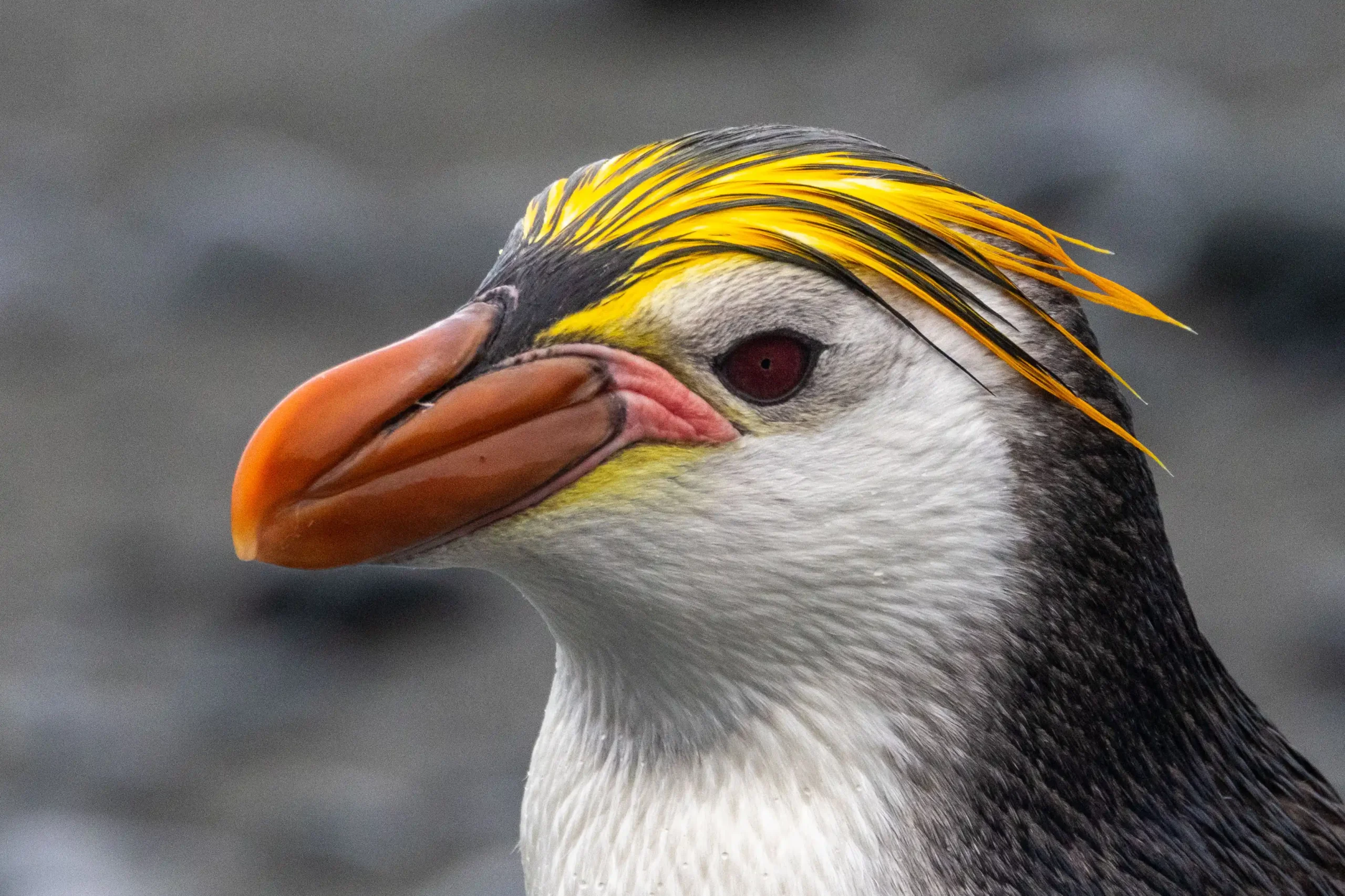
Birding the Southern Oceans and Antarctica
There is no greater wilderness than the Southern Ocean! Between Antarctica and the southern points of the continents, there are islands with hundreds of thousands of penguins, millions of prions (a small seabird) and astounding numbers of fur seals, elephant seals and whales.
Alvaro will talk about some of the wonderful birds and wildlife of the subantarctic islands of New Zealand, as well as South America. Places like South Georgia, the Chatham Islands, Macquarie and of course the Antarctic Peninsula.
READ MORE -
-

Bringing Birds to the Garden: California Native Plants for the Win
California is home to more than 5,000 native plant species and over 700 recorded bird species, yet habitat loss, development, and invasive plants threaten this biodiversity.
This presentation will explore the relationship between native plants and birds—and how home gardens can help restore habitat. Participants will learn how native plants provide food, shelter, and nesting opportunities, along with practical guidance for planning, planting, and maintaining a garden suited to local conditions.
READ MORE -
-
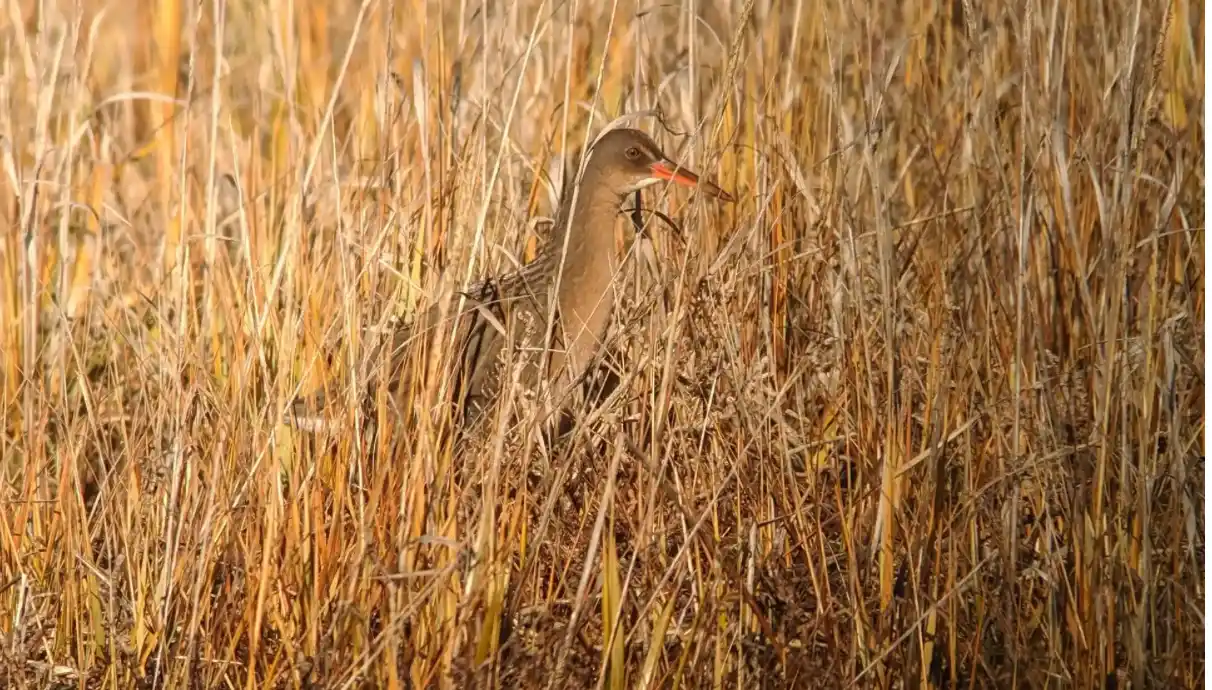
The San Francisco Bay State of the Birds
Learn how the SF Bay State of the Birds tracks bird trends as a sign of habitat health. Because birds tend to be sensitive to habitat changes and respond quickly, they are great indicators of overall habitat health. The SF Bay State of the Birds website reveals timely insights that guide restoration and management across San Francisco Bay. Built for land managers, funders, scientists, and community leaders, it delivers frequent updates to advance conservation goals.
-
-
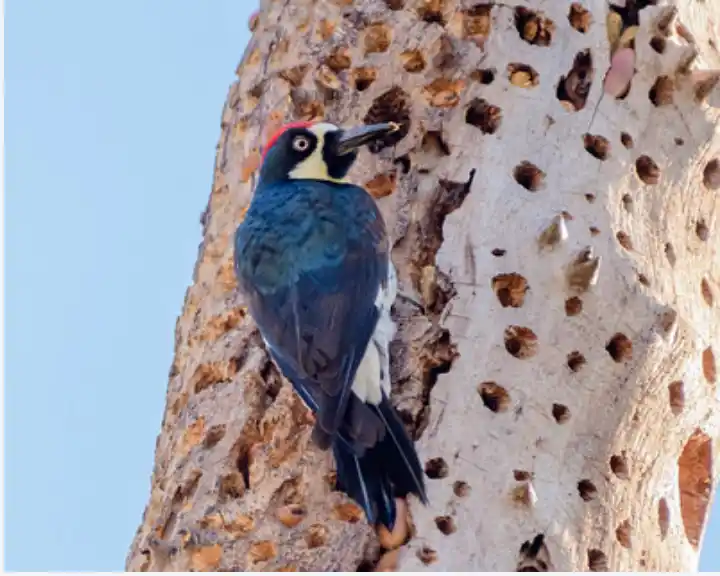
Acorn Woodpeckers: Cooperation, Conflict, and Family Drama
Acorn Woodpeckers, best known for their unique habit of storing acorns by the thousands in special structures known as “granaries”, are cooperative breeders that exhibit one of the most complex social systems of any bird. Based
on a long-term study of this species at Hastings Natural History Reservation in Monterey County,
Walt will explain some of the strikingly cooperative and diabolically competitive behaviors of this species that he and his
colleagues have discovered during their 50+ year field study.