Field Trips
Events
-
-
Birds, Plants and Wildflowers of Mt. Burdell
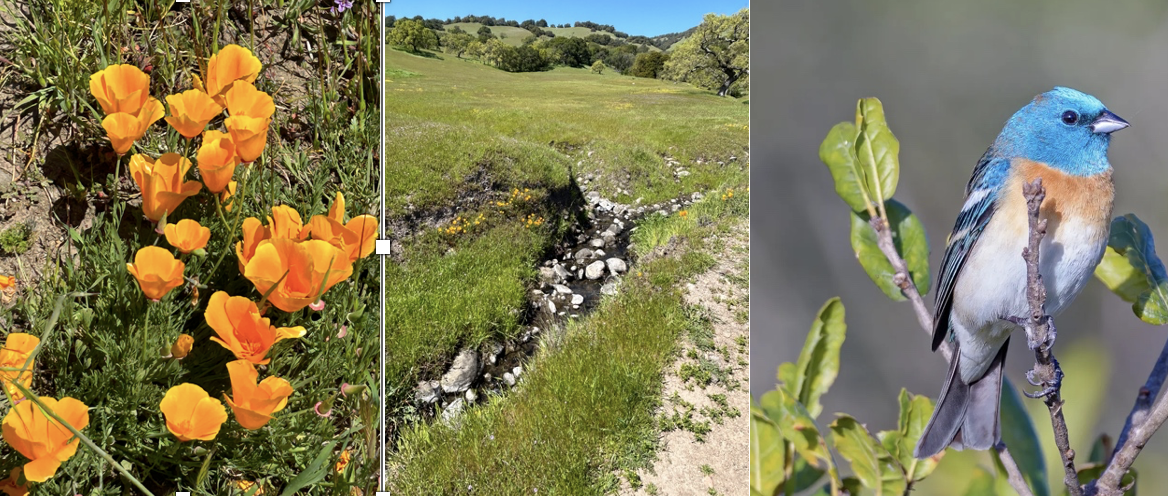
On this moderate 4-mile hike, we will look and listen for birds, and also stop to appreciate native plants and habitat, particularly wildflowers which should be in abundant bloom.
Mount Burdell, a Marin County Open Space Preserve located just west of Novato, is a hotspot of plant and avian diversity, with diverse oak woodlands, grasslands, serpentine outcrops and a vernal pool (Hidden Lake). Some of the birds we’ll hope to see include spring migrants like orange-crowned warblers, house wrens, lark sparrows, and Bullock’s orioles, as well as year-round residents like oak titmice, Bewick’s wrens, western bluebirds, and multiple species of woodpeckers. This trip is suitable for all levels of birders and plant enthusiasts. READ MORE
-
Rodeo Lagoon – Marin Headlands
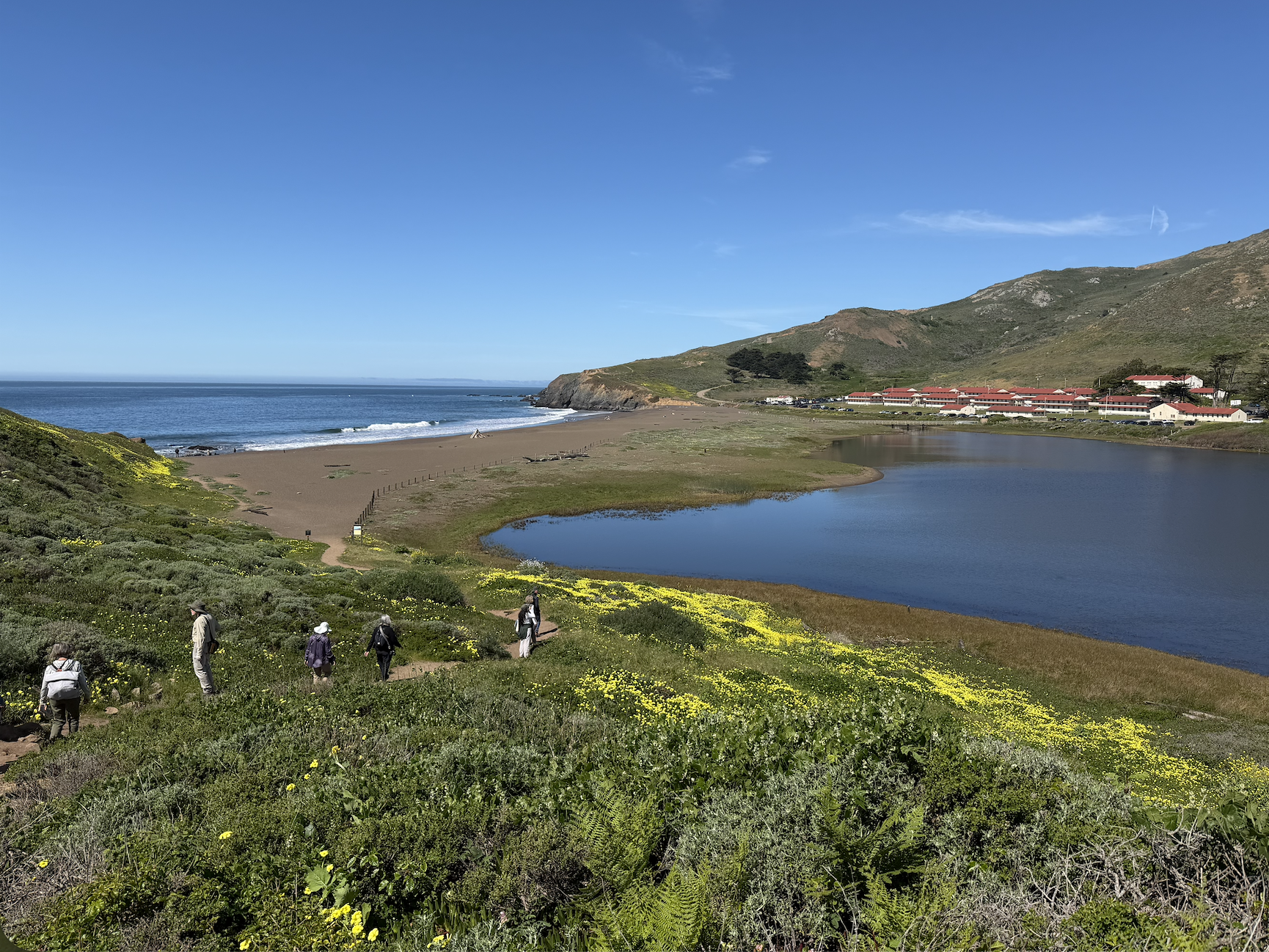
With spring migration coming to an end, we’ll be looking out for late migrants, including passing loons, shorebirds and scarcer passerines. As usual, the weather will dictate our focus with onshore northwest winds ideal for spring sea watches, while offshore easterly winds promise a good selection of passerine migrants even at this late date. Join us for a Sea Watch at 7:30 AM or arrive later at 8:15 AM for a circuit of the lagoon. A brief mid-morning ‘coffee-stop’ is planned at the Headlands Center for the Arts. Your contribution for coffee via the onsite “tip-jar” would be appreciated. This field trip is less suitable for beginners.
READ MORE -

Spring Residents at Olompali State Park – Novato
Species we hope to see might be, Ash-throated Flycatcher, Hooded Oriole, Cassin's Viero, Hutton's Viero, Western Warbling Vireo, Western Tanager, Black-headed Grosbeak, a calling Pileated Woodpecker and resident species.
READ MORE -
De Silva Island Heron Colony
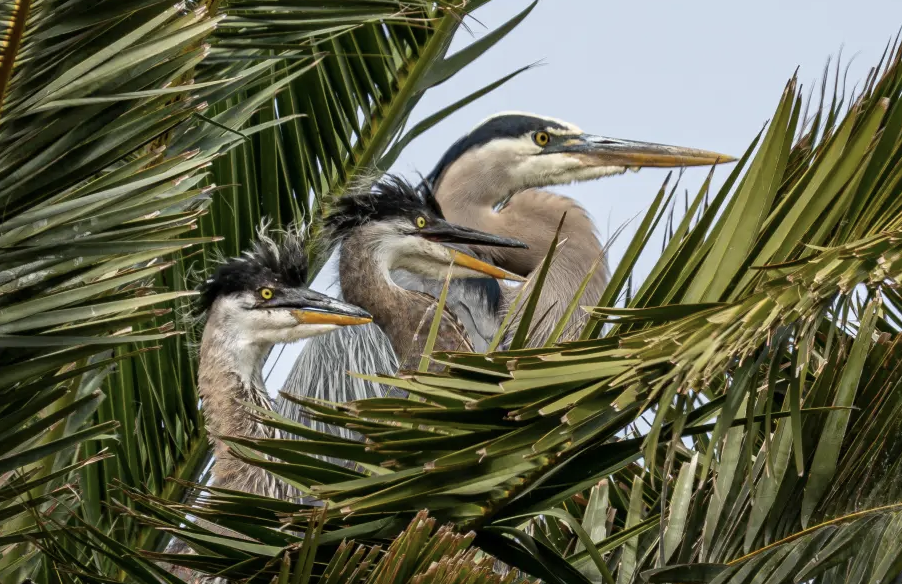
De Silva Island is home to a long-established colony of Great Blue Herons, residing in a grove of eucalyptus trees on the banks of Belloch's Lagoon (Strawberry Cove) in Richardson Bay. In recent years Great Egrets and Double Crested Cormorants (colonial nesting species) have moved into this fine breeding site.
READ MORE