Events
-
-
When Waterbirds are in Crisis
CA, United StatesSpeaker: JD Bergeron
Host: Doug Waterman
Date: December 10, 2020
Start time: 7:30 PM
End Time: 9:30 PM
CLICK HERE to register for the Zoom Speaker Series Event. A Q&A will follow the presentation. To ask a question use the Chat feature on Zoom.
Description:
In 1971 after 800,000 gallons of crude oil spilled into the bay, concerned individuals led by a registered nurse named Alice Berkner jumped into action, bringing International Bird Rescue to life. We have always had to pave a road where there is none. Staff and volunteers work with tenacity alongside clients, partners, and the public to find solutions. Today, we research best practices at our crisis response hospitals in California and Alaska and share them worldwide. Our mission is to inspire people to act toward balance with the natural world by rescuing waterbirds in crisis. We dream of a world in which every person, every day, takes action to protect the natural home of wildlife and ourselves.We rescue thousands of Bay Area birds every year and provide high quality care for them in our Northern California wildlife center in Fairfield.
JD Bergeron is fascinated by birds. After 20 years of non-profit leadership, JD found a way to bring his passion together with his work experience to become the Executive Director of International Bird Rescue, a nonprofit founded during a major oil spill to help affected wildlife. An unconventional problem solver, JD has redirected Bird Rescue’s impressive track record of working over 230 oil spills to take on the many challenges wild waterbirds face today. JD leads by example, modeling qualities of integrity, mindfulness, and wonder for his dedicated team.
JD thrives on finding innovative ways to inspire others to take action. Moved by his time in the Peace Corps, the nonprofit startup Kiva, and his international travels, he founded Chooda, a volunteer-run incubator with the mission to help inspire change through outdoor adventures that engage individuals with world challenges.
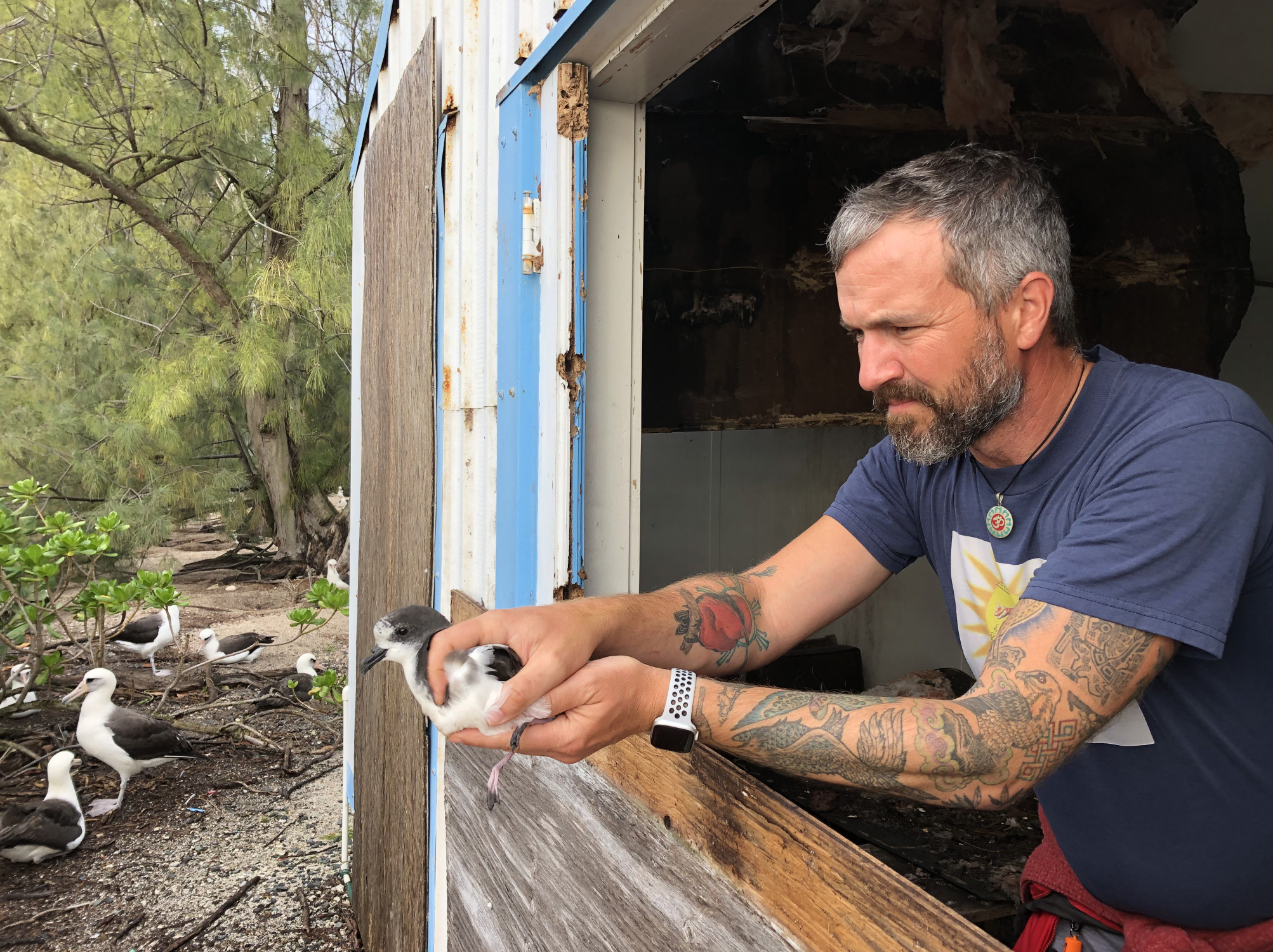
A lifelong lover of nature, JD retreats to the outdoors to gain perspective and to soothe the soul. He counts his month among a million albatrosses on Midway Atoll as the experience of a lifetime. After the magic of Midway, JD returned to Bird Rescue with a renewed passion and commitment to protect the natural home of wildlife and ourselves. He lives with his husband and rescue dog Cosmo in Martinez, CA. His interests include spirituality, drawing, writing, cycling, and volunteering as a Burning Man Ranger.
-
-
Changes in Bird Status in the Central Valley
Zoom Event CA, United StatesSpeaker: John Sterling
Host: Doug Waterman
Date: January 14, 2021
Start time: 7:30 PM
End time: 9:30 PMCLICK HERE to register for the Zoom Speaker Series Event. A Q&A will follow the presentation. To ask a question use the Chat feature on Zoom.
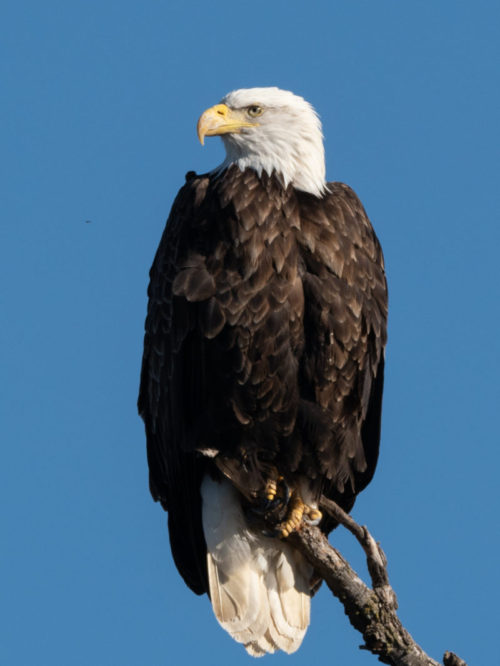
John will discuss the changes in our knowledge of bird distribution and populations in the Central Valley since the publication of Grinnell and Miller’s book on California birds in the 1940s. Loss of habitats, creation of new habitats, reduction of ranges, invasions of new species and other topics will be explored as we reconcile the fact that more species are detected now than prior to the book’s publication.
John is a professional ornithologist and has worked for the Smithsonian Institution, US Forest Service research stations, HT Harvey & Associates, Arizona and Oregon state universities among other organizations since 1981. John has traveled extensively throughout California learning about local bird distribution and is an authority on that state’s avifauna. In 2015 he set the California's new big year record with 501 species and has many big day records as well. John currently has his own company, Sterling Wildlife Biology (www.sterlingbirds.com), specializing in tours, birding classes, research and environmental consulting for The Nature Conservancy, National Audubon’s International Alliance Program, CA Dept. of Water Resources among other organizations.
-
Marin’s Breeding Birds (How We Know What We Know)
Zoom Event CA, United StatesWednesday, January 20, 2021
7 PM to 8:30 PM
With Dr. Dave DeSante
Sign up for the Zoom Webinar HEREBy way of welcoming the new re-study of the Marin County Breeding Bird Atlas, Dave DeSante offers his reflections on the various sources of evidence we have for the birds who nest here. He’ll talk about the importance of the study of avian populations, the Breeding Bird Survey sponsored by the US Geological Survey, and the MAPS bird banding program organized by the Institute for Bird Populations. An engaging raconteur, Dave will offer a rare-bird’s-eye-view that will interest birders of all levels.
Dr David F. DeSante received his PhD from Stanford University in 1973 with a ground-breaking study of ‘misorientation’ in bird migration. Over the course of a long career, he has been interested in population trends and phenology in North American birds. In 1989, he founded the Institute for Bird Populations, a non-profit devoted to the conservation of North American birds. He is widely published, writing both for popular and scholarly audiences. He resides in Forest Knolls.
-
New Breeding Bird Atlas
CA, United StatesWednesday, January 27, 2021
7 PM to 8:30 PM
With Atlas Coordinator Juan Garcia
Sign up for the Zoom Webinar HEREAs of this month, the Marin Audubon Society is launching its new breeding bird atlas project. Project leader Juan García will tell us how we got here – and where we’re headed. He’ll review the history of the original project (resulting in the first atlas, published in 1993), describe the goals of the new atlas, and discuss how the volunteers will gather and store data. Listeners will not only learn how the current project is organized but get a preview of key innovations that will be introduced in the new study.
Juan F. García is an independent contractor serving as overall Atlas Coordinator. He grew up on the coastal bend of south Texas, where he began studying birds. A former college professor, he has conducted field surveys for a wide variety of non-profits involved in avian conservation. He has been a Bay Area resident for many years, living presently in Point Reyes Station.
-
-
GIS in Conservation
CA, United StatesWednesday, February 3, 2021
4 PM to 5:30 PM - NOTE EARLIER STARTING TIME
With William Wiskes
Sign up for the Zoom Webinar HERELike every atlas project, the Marin County Breeding Bird Atlas will feature, at its core, a series of maps that track the distribution of our nesting birds. Join us for a fascinating exploration of high-tech map-making with William Wiskes. William will talk about the pleasures and pains of creating maps for a modern breeding bird atlas. He will focus especially on three classes of maps that he is developing for the Marin County BBA project: conventional paper (printable) maps, an interactive web-map, and a phone-based app that volunteers can use in the field.
William Wiskes, GIS Specialist, is the staff cartographer of the new Marin County Breeding Bird Atlas. He is currently a master’s degree candidate at San Francisco State University. An excellent field ornithologist, William has worked on numerous projects in conservation biology, including, among others, field studies of raptors, Pacific Wren, and Black Rail.
-
Marin’s Booming Bird Populations: Three-quarters of a Century of Avifaunal Expansion
Zoom Event CA, United StatesSpeaker: Roger Harris
Host: Doug Waterman
Date: February 11, 2021
Start time: 7:30 PM
End time: 9:30 PM
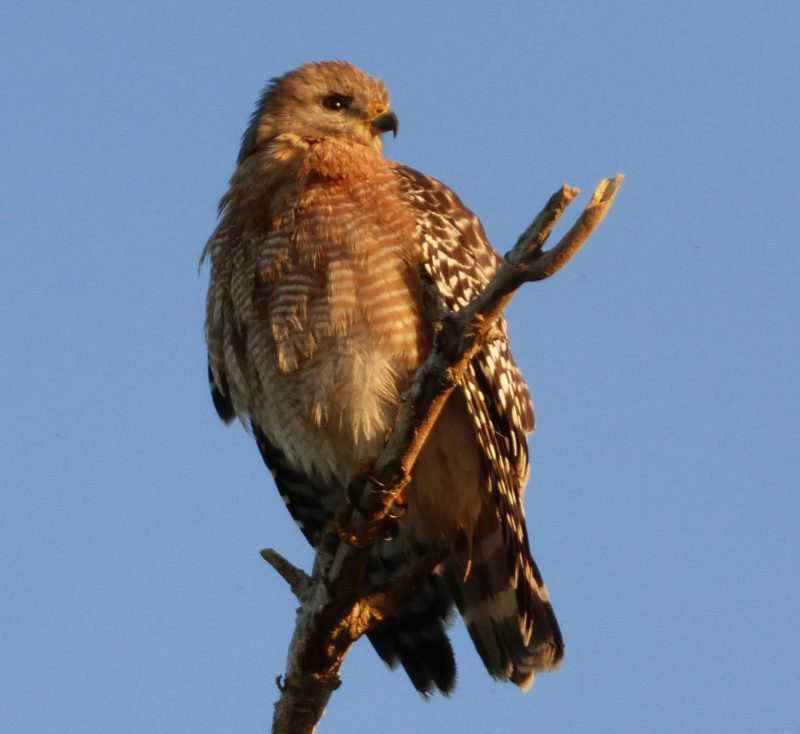
Please sign up HEREMany of our common Marin County birds, whose abundance we now take for granted, were rare or absent only three-quarters of a century ago. Since the beginning of the Southern Marin Christmas Bird County in the 1970s, for instance, Red-shouldered Hawk detections have increased tenfold. Habitat restoration and maturation, conservation efforts, and cultural changes in the behavior of individual bird species have all contributed to shifting – and, for Marin, generally increasing – bird populations.
Snowy Egrets, Great Egrets, and Great Blue Herons, which had been extirpated from the Bay Area, returned in the mid-twentieth century. Black-necked Stilts were first recorded nesting in our marshes in the mid-1960s, followed by American Avocets in 1984. In 1996, Forster’s Terns nested in Corte Madera Shorebird Marsh for the first time in Marin County.
The dean of California ornithology, Joseph Grinnell, wrote in 1915 that the Ridgway’s Rail “seems destined to early extinction.” The rail is the logo bird of the Marin Audubon Society and conservation advocacy efforts have made Grinnell’s prediction of a century ago at least premature.
Our speaker, Roger Harris, will unpack the evolving dynamics of avifaunal population change using data from Christmas Bird Counts, the Marin County Breeding Bird Atlas, and a variety of other sources. Roger is a Certified Wildlife Biologist and a longtime member of the Marin Audubon Society. Once the pandemic resolves, he hopes to return to leading international eco-tours for the Oceanic Society.
Photo courtesy of Roger Harris
-
Can Citizen Science Save Us?
Zoom Event CA, United StatesWednesday, February 17, 2021
7 PM to 8:30 PM
With Mary Ellen Hannibal
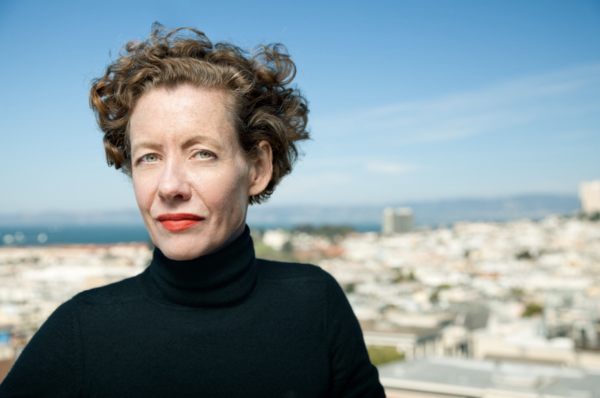
Sign up for the Webinar HEREMary Ellen Hannibal is an award-winning author. Her book Citizen Scientist: Searching for Heroes and Hope in an Age of Extinction was named a best book of 2016 by the San Francisco Chronicle and won a Nautilus book award. She frequently contributes to Bay Nature, Nautilus, the New York Times, and Science magazines. Her Stanford TEDx talk addresses citizen science in general: Can Citizen Science Save Us? Her most recent TED addresses How you can help save the monarch butterfly, and the planet. Citizen science is an old/new practice of direct observation of nature by amateurs. Today the practice is turbo-charged by smartphone technology and vast computing power. It is needed as never before, because plants and animals are disappearing too fast, and Earth is undergoing a mass extinction. The good news is that citizen science is a concept, a format, and a tool for addressing environmental problems at a local level, including the urban environment. In this talk I'll go over some of the basics of citizen science and focus on local projects that make a difference.
-
-
Birding-by-Kayak on the Russian River
Zoom Event CA, United StatesSpeakers: Miles and Teresa Tuffli
Host: Doug Waterman
Date: March 11
Start time: 7:30 PM
End time: 9:30 PM
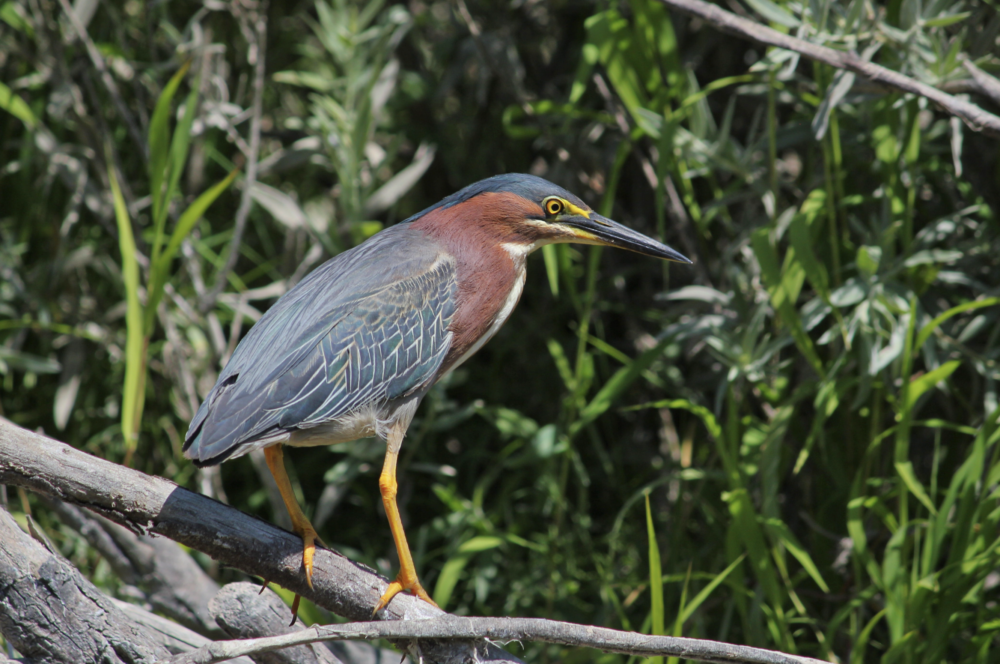
CLICK HERE to join the Zoom Speaker SeriesPhoto credit: Green Heron by Teresa & Miles Tuffli
Join Teresa and Miles Tuffli as they take you on a virtual birding-by-kayak trip along the lower Russian River in Sonoma County. A leisurely paddle is an ideal way to experience the wildlife the Russian River has to offer on a gorgeous summer day. Herons, swallows, raptors, ducks, and songbirds galore are easily observed while quietly moving along the tranquil river. They'll share some of their favorite photos and audio recordings captured while kayaking and map out their preferred launch spot and route.
Miles and Teresa Tuffli are avid birders from Guerneville who especially love helping “bird-curious” folks take the next step of getting into the field to enjoy the bird world! They lead guided bird walks and give educational presentations for local organizations including the PRNSA Field Institute, Redwood Region Ornithological Society, Laguna Foundation, and Sonoma Land Trust. Residents of West Sonoma County for 11 years, Miles and Teresa also enjoy writing about and documenting our local birds at their website: I’m Birding Right Now ( https://imbirdingrightnow.com).
-
The Breeding Behavior of our Local Owls – Getting to Know our Nocturnal Neighbors
Zoom Event CA, United StatesWednesday, March 17, 2021
7 PM to 8:30 PM
With Joe Mueller
CLICK HERE to register for the Zoom WebinarThe best time of year to get to know owls is during the breeding season. This is the time when they communicate with each other and allow us a glimpse into their lives. Join Joe for a guided journey into understanding the reproductive behavior of our local owls. We’ll explore topics from territoriality and pair formation to courtship and nesting.
As a Professor of Biology for 30 years Joe has been teaching a rich diversity of courses ranging from ornithology to marine invertebrate zoology as well as leading field courses from Alaskan tundra to Costa Rican Tropical Rain Forests. His teaching style has developed from a view of life focused on systems thinking and how interrelationships make up the essential nature of life. He developed and coordinates the Natural History Program at College of Marin and is the 2008 recipient of the Terwilliger Environmental Education Award.
-
Rare Bird Sightings in Marin 2020
Zoom Event CA, United StatesWednesday, March 31, 2021
7 PM to 8:30 PM
With California Young Birders Club Members – Joseph Zeno, Mark Schulist, Lucas Corneliussen, and John King
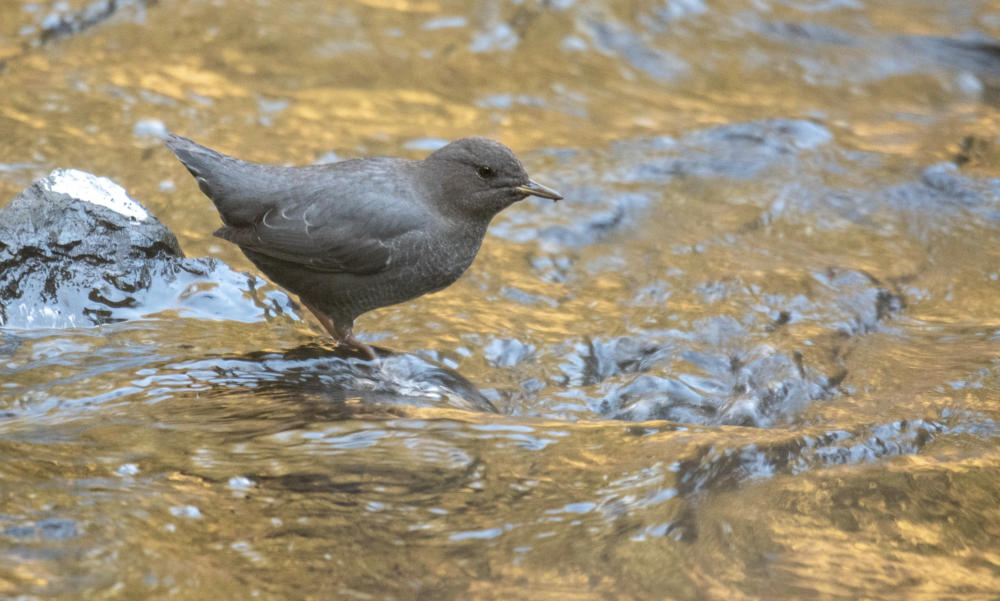
CLICK HERE to Register for the Zoom WebinarMarin County hosts some of the best opportunities to see and find rare birds. You can see a new bird in Marin every time you go outside. As you grow as a birder and begin to be able to recognize most of the local species, you will start to find new birds that may be rare where you live. The species you observe will change with the seasons. Fall migration in Marin County is exceptional for finding rare birds compared to most places on the west coast because the extent to which Point Reyes National Seashore extends into the Pacific Ocean makes it an ideal resting place for migrating birds. Some of the birds that stop there are regular migrants, and some are truly rare because they get blown off course. These are known as vagrants. This webinar will illustrate where you can find rare migrants and vagrants in Marin county, giving tips on how to find them, and these talented and enthusiastic young birders will show you some of the highlights and best experiences they had with Marin’s rare birds in 2020.
All of the young birders presenting on this date are part of the Bay Area Chapter of the California Young Birders Club. Check out their website and read about their monthly field trips throughout the state.
Young Birders
Joseph Zeno: Sophomore currently attending Terra Linda High School and part of the Marin School of Environmental Leadership (MarinSEL) program. Started birding in 2017 and likes to find and photograph birds and make photo books and calendars. Interested in studying how birds interact with other organisms in our changing environment.Mark Schulist: Sophomore currently attending Marin Academy High School. Started birding in 2017 and enjoys photographing birds as well as any other wildlife. Interested in patterns of birds and how birds are able to migrate with such consistency.
Lucas Corneliussen: Junior currently attending Credo High School in Sonoma County. Started birding in 2011 and enjoys California county birding and birding in new locations all over the state as well as birding throughout the Point Reyes National Seashore on an almost weekly basis. Currently interested in nocturnal flight counts (NFC) and changes in migration patterns within certain species over the course of different periods of time.
John King: Sophomore currently attending Terra Linda High School. Started birding in 2017, and still enjoying the different habitats California has to offer. He enjoys birding in coastal forested areas where small passerines are abundant and in large flocks. Interested in the evolution of birds and the adaptations (structural/behavioral) they made to survive in the wild.